)
)
)
-
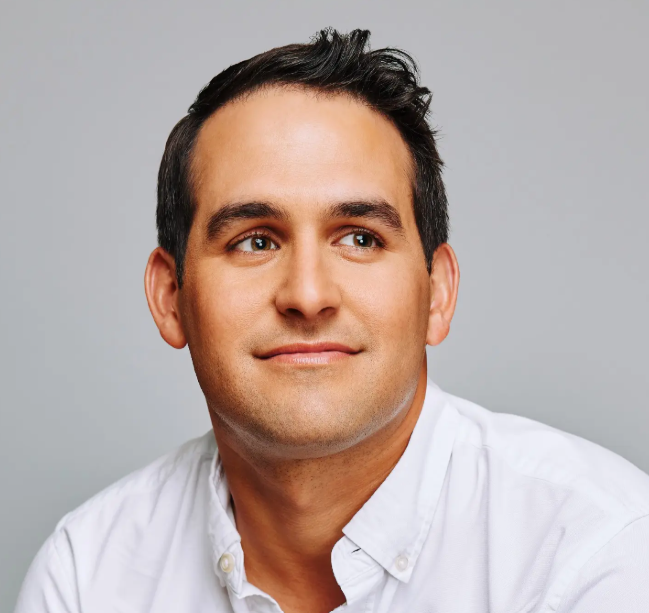
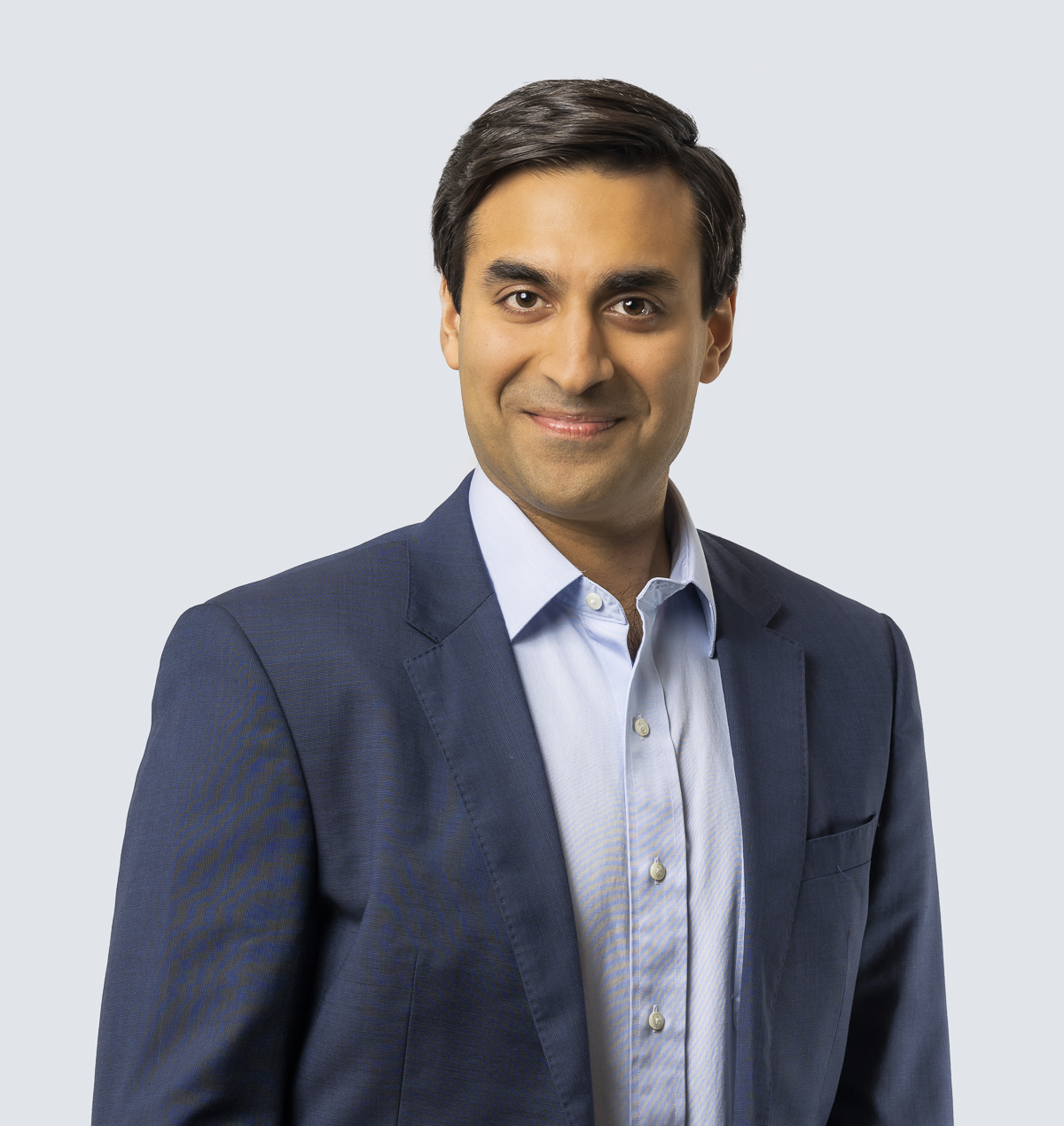
HSBC’s mid-year report signaled the challenges that many small and mid-sized biotech companies have shared; first financings declined in Q2 of 2025 and entrepreneurs and companies have had to make tough staffing decisions and adjust their pipelines and programs. While interest rates have started to lower, macroeconomic uncertainties remain in addition to the risk embedded in developing novel medicines. This session will begin with an overview of financing in 2025 followed by a discussion on how companies and investors have remained nimble. The role of venture capital and how family offices are participating in financing will also be featured. Key Takeaways: -Data on where venture investment dollars are going presented by HSBC Innovation -Tips from investors for leaders of biotech companies when seeking funding -Information on how family offices are participating in the ecosystem -Emerging areas of interest in innovationSpeakers
-
The pace of US biotech IPOs stalled for much of 2025 but reductions in interest rates corelate with an uptick in new offerings as investors reconsider the risks and returns from new medicines in this dynamic commercial landscape. This session will examine which technologies, therapeutic areas, and types of messages are most resonating with IPO investors.
-
Alternative investors such as Ares Specialty Healthcare and Blackstone Life Sciences are providing management teams with options for non-dilutive capital to support M&A and R&D to compliment or substitute future equity rounds. This fireside chat will discuss some of the financing options companies should consider, such as private debt, royalties, and R&D project finance. This discussion will also highlight what alternative finance investors are seeking in their partners and the benefits of collaboration for companies.
-
As the policy environment in Washington continues to evolve, biotech leaders are seeking clarity on implications for R&D, investment, and patient access. This briefing will cover developments at FDA, CMS, and HHS and what stakeholders should expect next.
-
While deal volumes have adjusted following the influx of capital during the pandemic, there has still been significant activity as pharma continues to assess overall strategy and biotech companies seek partners to continue progress in the clinic with the goal of commercialization. An overview presentation on deal trends will open this discussion, followed by pharma BD leaders and biotech companies that have partnered with them to offer perspective on navigating the complexities of dealmaking.Speakers
-
Expansion in the target landscape, from TL1A and beyond, has accelerated progress in I&I drug development with multibillion-dollar M&A across the past two years attracting more funding for programs in this space. This panel will explore the landscape of targets and indications showing the most promise to address unmet patient needs at large scale.
-
GLP-1 analogs have rewritten treatment standards and changed patients’ expectations related to obesity, yet even more tantalizing is growing evidence they could hold the key to broader improvements in cardiometabolic health and address other age-related diseases with implications for longevity R&D. This panel will highlight cellular and systemic approaches to elucidating the role of GLP-1 in multiple diseases associated with aging, discuss the clinical evidence that has generated excitement, and reveal how leaders in this nascent therapeutic area are approaching their pipelines.
-
As biotech funding dynamics evolve, investors are seeking capital models that reward commercial discipline and strategic partnership. Traditional venture pathways are giving way to hybrid approaches — royalty-backed financing, milestone-linked investments, and collaborative commercialization partnerships that preserve capital and accelerate growth. This discussion will examine how biotech companies are navigating this new environment. What defines an investable biotech in 2026? What is the new biotech capital stack? How are partnerships reshaping valuation, risk and ROI?
-
More than a third of U.S. licensing deals this year have involved assets sourced from China and investment is adjusting in response. As deal activity accelerates, regulatory scrutiny has intensified. This session will examine valuation impacts, evolving deal structures, and regulatory considerations related to cross border investment trends and how they affect U.S. firms’ planning in an active tariff environment.
-
In a capital-constrained environment, Enveda distinguished itself by securing high-quality funding at a rapid clip—closing a $150M Series D in late 2025 to achieve "unicorn" status just five years after its seed round. In this fireside chat, UBS Senior Biotechnology Analyst Mike Yee sits down with CEO Viswa Colluru, PhD, to unpack the strategy behind Enveda’s outlier success. They will discuss how Enveda validated its platform to investors by moving faster than the industry average (from concept to clinic), how they secured backing from giants like Premji Invest and Sanofi, and how they are generating tangible value by using AI to analyze natural samples to advise candidate selection and enable three drugs in different indications to already reach clinical trials.
Register for the BIG Summit to attend these sessions (and more):

.png)




.jpg)
.jpg)


.jpg)
.png)



Additionally, a set of curated company presentations from developers themselves sharing their latest clinical results and action plans will be available to inform the sourcing of licensing deals or direct equity investments. Companies seeking to be included will be able to apply at this website starting in November and may send their inquiries to
present@bio.org in the meantime.
)
)

)
)
)
)
)
)
)
)